Will water alone clear skin issues?
Hydration supports skin elasticity, but complexion also depends on genetics, sun protection, and skincare. Drinking enough may reduce dullness linked to dehydration without replacing sunscreen.

Body Benefits
Understand the systems that rely on fluids so your daily cups feel purposeful, not performative.


Blood is mostly water. Adequate hydration keeps blood volume closer to your normal range so the heart pumps efficiently during a brisk Burleigh walk or stair climb. Nutrients from breakfast—B vitamins, iron, magnesium—dissolve in body fluids before reaching cells. When intake dips, blood can thicken slightly, making the heart work harder during heat.
Studies on mild dehydration note small changes in heart rate during exercise; correcting fluids may support comfort for recreational activity. This is routine maintenance—think steadier afternoon energy when you have been sipping since 9 am, without expecting dramatic changes.
Sweating is your built-in evaporative cooler. Each millilitre of sweat pulls heat from skin; replacing that loss prevents core temperature from creeping up during yard work or surf sessions. In humid coastal air, sweat evaporates slower, so you may need more frequent small drinks even if shirts feel soaked.
Chilled water can improve palatability, encouraging intake; room-temperature water is fine for digestion. Electrolytes help when sessions exceed an hour or involve heavy salt rings on clothing. For everyday life, plain tap or filtered water plus balanced meals usually covers minerals.
Water softens stool when paired with fibre from oats, beans, and vegetables, reducing sluggish bathroom visits reported in low-fluid habits. Kidneys filter blood waste into urine; concentrated urine appears dark and may irritate the bladder in some people. Pale straw colour often signals adequate fluids for healthy kidneys, though supplements can alter colour.
Population data links higher habitual water intake with lower recurrence of certain kidney stones in some groups; mechanisms include diluting minerals that form crystals. Again, this is general education—individual stone plans belong with specialists.
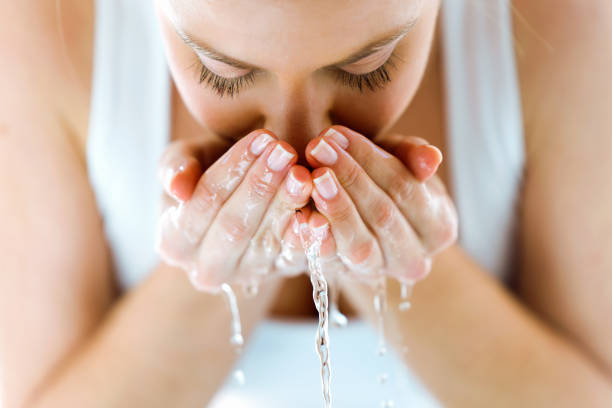
Hydration supports skin elasticity, but complexion also depends on genetics, sun protection, and skincare. Drinking enough may reduce dullness linked to dehydration without replacing sunscreen.
Cold water may raise energy use slightly through thermogenesis, yet the effect is modest. Regular intake mainly supports normal metabolic processes rather than acting as a quick fix.
Some trials show better attention when mild dehydration is corrected. It complements sleep and breaks, not replaces them.
Synovial fluid cushions joints and is water-based. Chronic low intake will not replace physiotherapy or strength work, but fluids help maintain that lubrication layer.
Survey research associates low fluid intake with more frequent headaches and lower self-reported calm in some cohorts. When you notice an afternoon headache, review morning drinks before assuming other causes. Pair hydration with screen breaks and lunch that includes protein and produce.
Short sleep and long screen time can leave you feeling flat; a steady drink pattern plus a morning top-up supports routine recovery without claiming instant fixes. Track three variables—sleep hours, water intake, outdoor time—to see patterns across a fortnight.
Set your daily range