Can I drink too much water?
Yes, though it is uncommon. Rapid overdrinking in short windows may dilute blood sodium; endurance athletes should follow paced plans. For daily life, spread intake and listen to fullness cues.

Burleigh Heads · Australia
Build a calm, repeatable hydration rhythm that fits Queensland heat, office days, and weekend walks—without chasing perfect numbers on a chart.
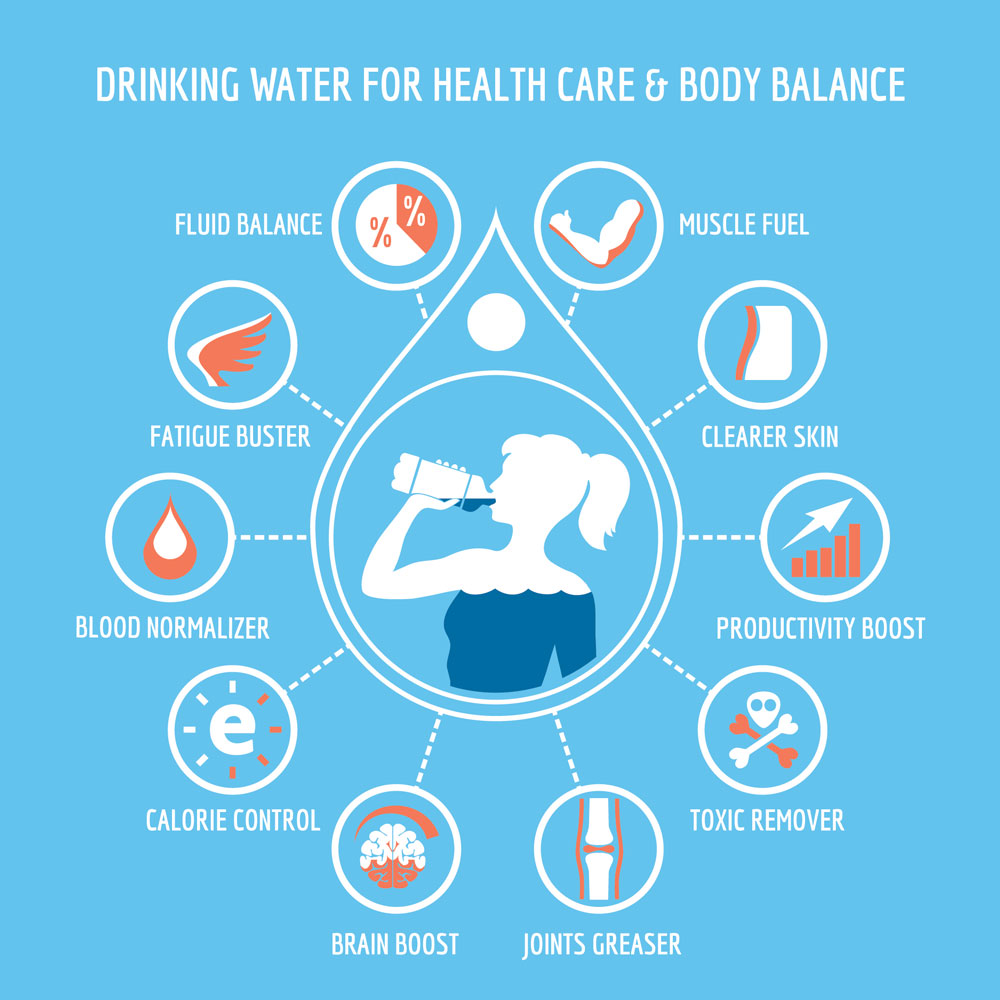
Explore daily intakeYour body uses water in every basic process—temperature balance, joint cushioning, nutrient transport, and waste removal. When intake drifts low for hours, you may notice heavier concentration, slower digestion, or a dry mouth long before you feel genuinely thirsty. In Australian summers, sweat losses climb quickly during a short garden session or a coastal jog, so spacing drinks through the day often works better than loading up at night.
Research summaries from nutrition bodies commonly reference roughly 2 to 2.5 litres of total fluids daily for many adults in temperate conditions, but that figure bundles water, tea, milk, and moisture-rich foods. Rather than memorising one headline number, treat hydration as a habit stack: morning glass, bottle on the desk, water with meals, and an extra serve after activity. Our guides focus on observable cues—urine colour trending pale straw, stable energy across the afternoon, fewer headaches linked to dehydration in studies—rather than dramatic claims.
Children, older adults, and people on certain medicines have different needs; this site stays general. Pair these ideas with your own clinician if you manage kidney or heart fluid restrictions. The goal here is a sustainable rhythm you can keep for years, not a weekend challenge.
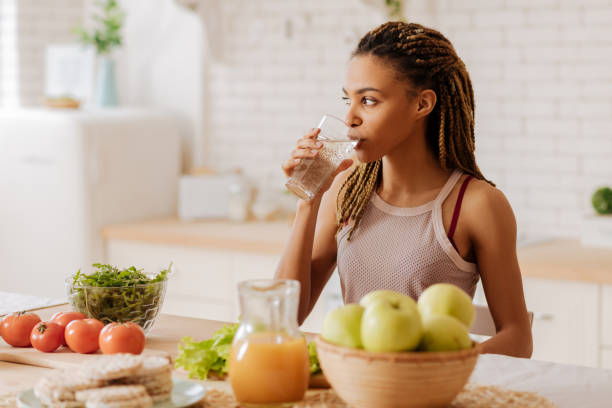
A widely cited starting point for adult women is about 2.1 litres of total fluids daily and for men about 2.6 litres, including beverages and food water, according to European Food Safety Authority summaries used in many fact sheets. In hot or humid climates such as south-east Queensland, add roughly 400–800 ml on days with prolonged sweating. A simple body-weight method used in sports nutrition suggests near 30–35 ml per kilogram as a baseline, then adjust for training load.
Translate litres into habits: a 500 ml bottle filled four times across waking hours, plus soups, fruit, and herbal tea. Pregnant or breastfeeding individuals often need more; desk workers in air-conditioning may need less than landscapers. Track for a week, note energy and bathroom patterns, then settle on a personal band instead of forcing a generic target. Visit our Daily Intake page for cup conversions and shift-work examples.
Studies on habit formation emphasise consistent cues more than motivation spikes. A zen-inspired approach keeps tools minimal—one cup, one bottle, one place—so the ritual survives messy days. If you dislike plain water, rotate chilled still water with lemon peel, mint, or diluted herbal infusions without added sugar.
Cool, dry air increases insensible water loss through skin and breath. Set a gentle timer every 45–60 minutes for a few swallows, not a litre chug that sends you rushing from meetings. Keep a 750 ml–1 L bottle and aim to finish one by lunch and another by late afternoon. Pair sips with email checks to build a steady loop.
Caffeinated coffee and tea still count toward daily fluids for most people, though caffeine has a mild diuretic effect at high doses. Balance each strong espresso with 100–150 ml water if you notice dry lips afterward. Salty canteen lunches raise thirst; add crunchy vegetables or fruit for natural moisture.
Join community-style sessions focused on habit design, not sales pitches. Listed workshops are free informational meet-ups unless we state otherwise in writing. Spaces are limited; register via our contact form with the event name.
| Date | Event | Location | Focus |
|---|---|---|---|
| 14 Jun 2026 | Morning Sip & Stretch | Burleigh Heads park | Wake routines, 250 ml cues |
| 28 Jun 2026 | Bottle Prep Lab | Community room, W Burleigh Rd | Label-free bottle setup |
| 12 Jul 2026 | Heat-Day Planning | Online briefing | Summer fluid adjustments |
| 26 Jul 2026 | Desk Habit Clinic | Burleigh Heads | Timers, portion guides |
| 9 Aug 2026 | Family Hydration Hour | Local library hall | Kids cups, school bottles |
Population studies link low habitual fluid intake with higher reported headaches and poorer mood scores in some trials, though results vary by age and climate. Public dietary guidance in Australia (see NHMRC) discusses fluids as part of overall nutrition. Cognitive studies on students suggest mild dehydration may affect attention on test days; correcting intake may help, yet it is not a substitute for sleep or study plans. We do not claim clinical outcomes from drinking water alone.
Sports science shows performance drops when sweat losses exceed 2% body mass in endurance events; recreational walkers rarely hit that if they drink across the hour. Electrolyte drinks matter for long, salty sweat sessions; plain water suits most 30-minute walks along the Gold Coast.
We cite ranges and mechanisms, not promises. Explore deeper breakdowns on Benefits and practical swaps on Tips.
Yes, though it is uncommon. Rapid overdrinking in short windows may dilute blood sodium; endurance athletes should follow paced plans. For daily life, spread intake and listen to fullness cues.
Moderate coffee still contributes to fluid totals. Very high caffeine may increase fluid losses slightly—pair strong coffee with a small glass of water if your mouth feels dry afterward.
Thirst works for many adults but lags slightly in older age and during cold weather when sweat is less obvious. Scheduled sips help when cues feel muted.
Usually no. Plain water plus regular meals supplies electrolytes for typical office or neighbourhood activity. Long, sweaty sessions may warrant targeted drinks.
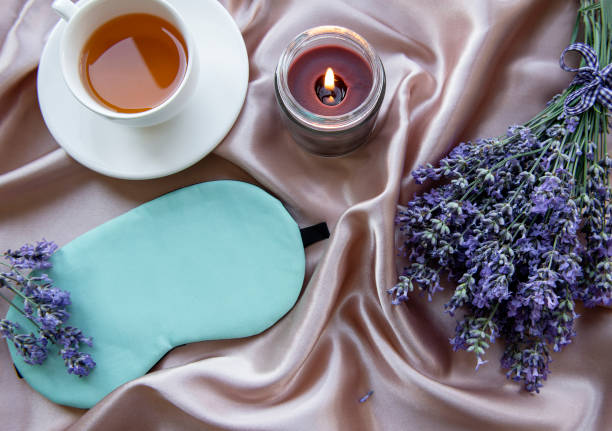
Wind-down hydration keeps you comfortable without midnight bathroom trips. After 7 pm, favour 150–200 ml sips with dinner and herbal tea instead of a full litre bottle. If you trained late, replace sweat over 60 minutes while upright, then pause large volumes before bed. Salty takeaway meals? Add water across the meal, not in one chug at 10 pm.
Bedside water helps morning dry mouth; a closed cup limits dust. Pair fluids with tomorrow’s prep—bottle by the door, fruit in the lunch bag—so evening effort supports the next day’s anchors. This rhythm fits Queensland evenings on the patio as well as quiet reading nights indoors.
We publish free guides from Burleigh Heads, Queensland, with a visible address, phone number, and email on our Contact page. Content describes everyday hydration habits only—we do not sell supplements, medical devices, or paid treatment plans through this website.
Information is general and may not suit every person. Pregnant individuals, older adults, athletes with medical conditions, and anyone on fluid restrictions should follow advice from their own qualified clinician. In an emergency, call 000.